
Ergonomic Studio Setup: Preventing Back and Wrist Strain While Creating
Optimize your art studio for comfort and long‑term wellness. Learn ergonomic design principles and habits to protect your back, neck, and wrists during long creative sessions.
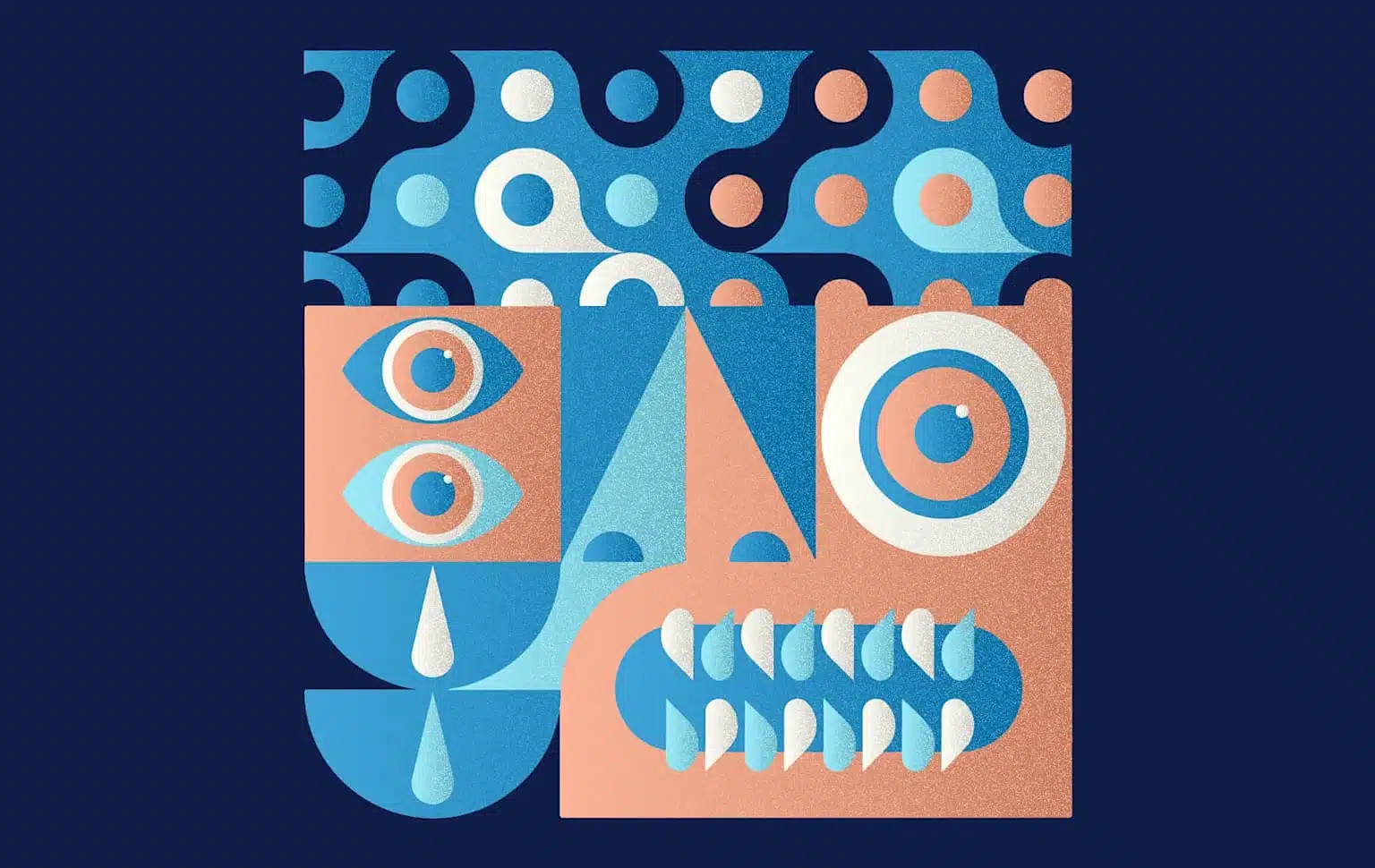
Every artist, no matter how experienced, eventually encounters artist’s block — that frustrating state where ideas dry up and energy wanes. The canvas stays blank, the sketchbook closed. For some, it lasts days; for others, months. It can feel like failure, but it’s actually a natural part of the creative rhythm.
Artistic productivity ebbs and flows like tides. When the current recedes, there’s an opportunity hidden in the stillness — a chance to rest, reflect, and reset perspective. Creativity isn’t a constant flame; it’s a cycle of gathering and releasing energy. Understanding this truth makes recovery gentler and faster.
This comprehensive guide combines psychology, art education, and hands‑on exercises to help you move from frustration back into playful curiosity — the spark where authentic art begins.
Artist’s block refers to a period where inspiration, motivation, or clarity falter, preventing progress on creative work. It’s rarely about laziness; it’s usually a symptom of mental or emotional overload.
Common Triggers: Perfectionism, Burnout, Comparison, Unrealistic deadlines, and Life transitions or stress.
| Type of Block | Typical Sign | Remedy Direction |
|---|---|---|
| Idea Block | Nothing excites you | Stimulate new input |
| Skill Block | You imagine more than you can execute | Practice drills |
| Decision Block | Too many options, no clear path | Simplify and limit |
| Motivation Block | Fatigue and avoidance | Rest and ritualize |
| Fear Block | Anxiety about judgment | Build safe playful space |
Neuroscientists explain creativity as interplay between executive control (focus, evaluation) and the default mode network (daydreaming, imagination). When stress increases, the control center dominates, suppressing spontaneous thought. The cure for artist’s block often lies not in more discipline, but in loosening control.
Creative pauses allow the subconscious to ferment ideas. Blocks aren’t disasters; they’re transitions. The mind protects itself from overload by slowing down. Reframe with mindsets like: “This pause means I’m evolving,” “I’m gathering raw material,” or “Rest is productive.” Changing inner language replaces guilt with curiosity.
Rituals anchor uncertainty. They create a familiar framework signaling your brain that it’s “art time.” Try: Brewing tea before sketching, lighting a candle to mark the start and finish of sessions, or playing a dedicated instrumental playlist. Small sensory cues bypass anxiety and build rhythm.
Discipline and freedom coexist when routine supports play. Structure sessions as: Warm‑up (10 min), Creation (40 min), and Reflection (10 min). Predictable rhythm builds momentum, yet allows improvisation within each block.
Set a timer for 10 minutes. Choose one random object nearby — a mug, plant, shoe. Create something about it in any medium. When time ends, stop immediately. Why it works: Limited time overrides the inner critic. You focus on action, not outcome.
Select a color you rarely use — maybe chartreuse or dusty violet. Make it the dominant hue in a small study. Build composition around it. This reawakens visual curiosity and jolts habitual thinking; you re‑learn how hues interact without autopilot.
When painting stalls, switch mediums. Sculpt, photograph, collage, or write poetry for a week. Engaging different sensory channels rejuvenates dormant circuits. Different mediums recruit new neural pathways; variety refuels the one currently fatigued.
Take a 30‑minute walk carrying no phone or camera. Observe with artist’s eyes: shapes of shadows, color of pavement, posture of pedestrians. Mentally compose like a photographer or draftsperson — silently, without recording.
Pick two words at random (use a dictionary or website). Combine them visually. “Glass memory”? “Quiet thunder”? The absurd pairing forces novel connections — the essence of creativity — and bypasses self‑censorship by provoking surprise.
Choose an older failed artwork. Rip, cut, or paint over it. Use fragments to form collages or new textures. Recycling past disappointments transforms them into raw material rather than reminders of stagnation.
Set out a paper and commit to making 100 marks without judging. Lines, dots, squiggles, anything. When finished, find patterns or shapes within chaos and develop them. The volume neutralizes fear; the mind relaxes by focusing on repetition.
Productivity culture glorifies constant output, but art thrives on alternation between active creation and passive incubation. Rest restores curiosity, the opposite of burnout. Allow boredom — creativity often arises when the brain seeks new stimulation.
Perfectionism masquerades as ambition but hides fear. Redefine failure as data — feedback clarifying what doesn’t resonate. Freedom arrives when curiosity outweighs fear. Write down the worst outcome you fear and ask, “Then what?” until fear loses emotional charge.
Mindfulness trains attention without judgment — exactly what blocked artists lack. After focusing on the breath for five minutes, paint immediately without deliberation. Mindfulness empties the cluttered mind, leaving space for intuition.
Blocks often signal disconnection from original purpose. Revisit formative moments: what drew you to art in the first place? Write a one‑paragraph artist mantra distilling that motivation and post it visibly. Reading it daily renews orientation — like north on a compass.
Sometimes blockage stems from repeated surroundings. Refresh studio energy: Rearrange furniture or lighting, declutter tools, and bring in nature — plants, daylight, or open windows. Your space mirrors mindset; altering one influences the other.
Working with others interrupts insular habits. Join local plein‑air groups, exchange prompts, share critique sessions, or create communal projects. Collaboration introduces accountability and unpredictability — both antidotes to stagnation.
Keeping a creative journal externalizes frustration and captures micro‑ideas before they fade. Over time, patterns emerge — the earliest signs of re‑emerging vision.
Constraints paradoxically enhance invention. When choices feel overwhelming, restrict them (palette limits, format limits, or time limits). Boundaries give structure for play, transforming avoidance into action.
Balance input/output, celebrate small wins, maintain diversified interests, keep physical health (hydration, posture, movement), and set realistic goals. Preventive maintenance turns occasional blocks into rare, brief pauses rather than crises.

Have questions about our pigments, orders, or technical data sheets? Reach out to us directly on WhatsApp.
Start WhatsApp Chat