
Grinding Color by Hand: How Traditional Oil Paint Was Really Made
Curious how artists made oil paint before tubes? Learn the historical process of grinding dry pigments with linseed oil on stone or glass, plus tools, ratios, and workshop practices.
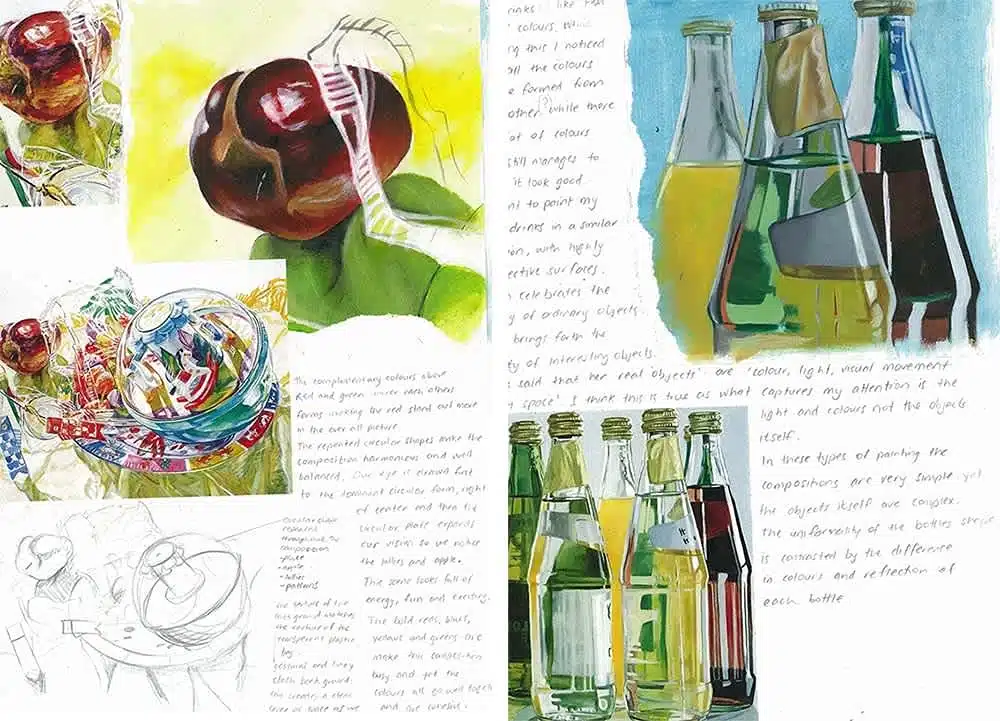
Artists speak visually, yet every exhibition, grant, or portfolio submission demands something less comfortable — writing about your art. An artist statement bridges that gap. It translates your creative drive, thought process, and material choices into language that curators, collectors, and audiences can understand.
Far from being a bureaucratic requirement, a statement is your chance to define why you create. It’s not just description; it’s articulation of purpose. Whether you’re a painter, sculptor, photographer, or digital creator, learning to express your motivations refines not only public perception but self‑understanding.
This comprehensive guide will walk you step‑by‑step through crafting an authentic, professional, and emotionally resonant artist statement — one that attracts attention for all the right reasons.
An artist statement is a concise text (usually 100–300 words) that accompanies artwork. It identifies the artist’s conceptual interests, working methods, and overarching themes. Think of it as a map for the viewer, not a diary entry.
“I’m bad at writing.” Artistic writing isn’t academic literature. “My art should speak for itself.” Ideally, yes — but context empowers it. “It’s only for galleries.” Artist statements serve multiple stages: websites, residency applications, and social‑media bios.
| Feature | Artist Biography | Artist Statement |
|---|---|---|
| Focus | Career, education, exhibitions | Ideas, process, purpose |
| Voice | Third person | First person (“I…”) |
| Length | 100–200 words | 150–300 words |
Every statement begins with the why — the emotional and conceptual core of your practice. Ask yourself what compels you to create and what you hope viewers feel. This realization becomes the anchor line of the statement.
To identify recurring ideas, review your portfolio as if you weren’t the artist. What motifs repeat (hands, windows, water)? What emotions surface? What materials recur? Patterns will emerge, revealing central themes that form the intellectual backbone of your statement.
People love to know how artists work — but they need more than technical detail. Link process to concept. Instead of “I paint in oil on canvas,” try “I paint in oil on raw canvas, allowing pigment to soak imperfectly into fibers — a symbol of memory’s porousness.”
Sentiment works best grounded in observation. Instead of “My work expresses sadness,” describe sensory cues — desaturated palette, fractured forms, quiet rhythms. Let readers feel rather than be told.
1.1. The Three‑Paragraph Structure: Opening (Define focus/intent), Middle (Describe materials/process/influence), and Conclusion (Reflect on significance/viewer connection).
1.2. Example Skeleton: “My work explores the intersection between urban rhythm and memory. Using mixed media on paper, I combine digital prints with hand‑drawn patterns… I invite viewers to sense time not as linear, but textured.”
Voice matters as much as content. Aim for language that mirrors your visual style. Read your draft aloud. Does it sound natural? The tone should feel like a guided studio conversation, not an academic lecture.
Tailor voice to where the statement appears:
Metaphor translates abstract goals into imagery. Example: “Each photograph functions as an inhale — collecting light’s residue before it disappears.” Use sparingly; one metaphor deepens, too many clutter.
After drafting, distill. Most statements benefit from trimming 20–30 percent. Replace abstract words with concrete ones. Clarity reveals confidence.
Eliminate terms like “juxtapose,” “explore,” and “challenge perception” unless truly central. Express those ideas through imagery: “I combine steel and silk to test how strength and fragility coexist.”
Use verbs like: investigate, illuminate, transform, reconfigure, evoke, translate, question. Avoid overuse of: explores, examines, utilizes, embodies — they’ve lost potency.
Your statement isn’t static. As your work matures, revise annually. Updating prevents dissonance between new artworks and outdated text.
Modern audiences value transparency. If sustainability or inclusivity informs your practice, articulate that sincerely — but avoid moral preaching.
Maintain consistent language across your website About page, social media bio, and portfolio captions. This cohesive vocabulary unifies brand identity.
Mastering your verbal identity leads to greater self‑awareness, easier communication during interviews, stronger grant submissions, and unified brand language.

Have questions about our pigments, orders, or technical data sheets? Reach out to us directly on WhatsApp.
Start WhatsApp Chat